Part 4 - Cybersecurity for Everyone: What Happens After a Data Breach and How Your Email and Password Are Really Used
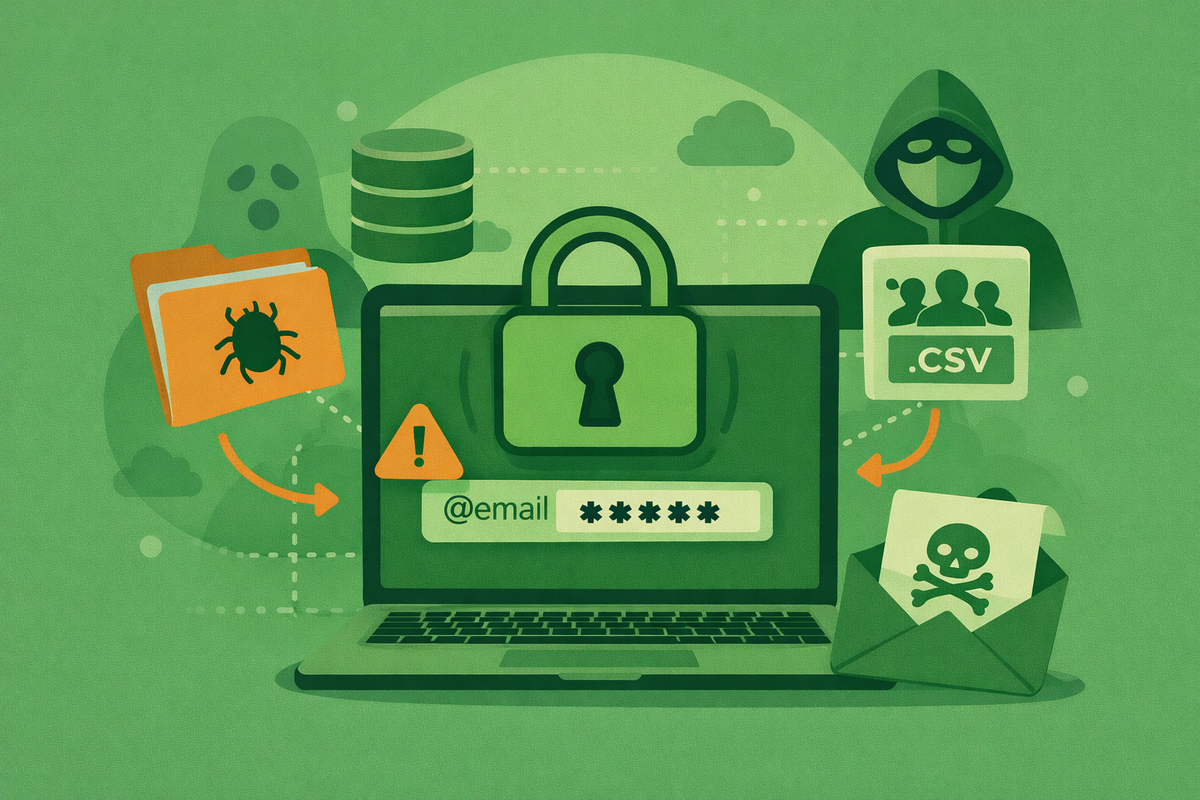
In the previous article, I wrote about 2FA and why it's your second line of defence, and this article will cover data breaches, what happens with your data, and how to avoid being a victim.
You’ve probably heard about data breaches in the news. A company gets hacked, millions of accounts are exposed, and users are told to change their passwords.
But what actually happens next?
Most people assume attackers are targeting specific individuals. In reality, it’s usually much simpler - and much more automated. Breached data is collected, shared, and used at scale, often without anyone being singled out.
Understanding what happens after a data breach explains why strong passwords and two-factor authentication are so important.
What Is Usually Exposed in a Data Breach?
When a website or service is breached, attackers may gain access to data such as:
- Email addresses
- Usernames
- Passwords (sometimes encrypted, sometimes not)
- Names and basic profile information
- In some cases, additional personal details
The most valuable combination is email address + password. This is what attackers look for.
What Happens to Stolen Data?
Once data is obtained, it is rarely used immediately by a single attacker. Instead, it is often:
- Shared privately between attackers
- Sold in bulk on underground forums
- Combined with data from other breaches
- Added to large “credential lists”
These lists can contain millions of login combinations from many different websites.
Attackers then use automated tools to test them across other platforms.
Why Password Reuse Is So Dangerous
Many people reuse the same password across multiple sites. This is understandable - remembering dozens of unique passwords is difficult.
However, this creates a major risk.
Imagine this scenario:
- You sign up to a small online forum using your email and a password
- That forum is breached
- Your email and password are leaked
- Attackers try that same combination on:
- Email providers
- Social media
- Online shopping sites
- Cloud storage
- Banking portals
If you reused the password anywhere else, attackers may gain access - without needing to "hack" anything.
This is known as credential stuffing, and it is one of the most common types of account compromise today.
Why Email Accounts Are the Main Target
Your email account is especially valuable to attackers.
If someone gains access to your email, they can:
- Reset passwords on other services
- Access personal conversations
- Intercept verification codes
- Impersonate you
- Gain access to cloud storage
This is why securing your email account should always be the first priority.
You May Not Know It’s Happening
One of the challenges with breaches is that they often go unnoticed.
Attackers may:
- Log in quietly
- Download data
- Wait before taking action
- Use the account for spam or scams later
Because of this, many people believe they have never been affected - when in reality, their credentials may already be circulating.
This Is Why Two-Factor Authentication Matters
Even if your password appears in a breach, two-factor authentication adds an additional barrier.
Without access to your second factor (such as your phone or security key), attackers cannot log in - even if they have the correct password.
This is why 2FA is one of the most effective protections against breach-related attacks.
Simple Steps You Can Take Today
You do not need to panic or change everything at once. Start with these steps:
- Use a unique password for each important account
- Enable two-factor authentication, especially for email
- Secure your email account first
- Consider using a password manager to avoid reuse
- Gradually update older passwords over time
Small improvements significantly reduce risk.
What’s Coming Next
In the next article, we’ll take a deeper look at credential stuffing - how attackers automate login attempts at scale, and why even a small success rate can lead to thousands of compromised accounts.
Understanding this will show exactly why unique passwords and 2FA work so well together.
Comments ()